
Shaping the Future of IT Recovery Through Modern Disaster Planning
Read this whitepaper to explore how to create a business-aligned IT recovery program that reduces downtime and builds resilience.
Read More
As the name suggests, an IT disaster recovery plan (IT DRP) is a plan to follow when your company suffers an information technology disaster. Its purpose is to guide the speedy restoration of your IT systems and data and minimize the impact of the disruption.
An IT disaster recovery plan clearly spells out:
An IT DRP depends on two important numbers, which you need to determine:
Your IT is the backbone of your business. Without its functionality, everything halts and quickly falls apart. To keep your customers happy, to maintain the trust of your partners and stakeholders, to simply remain profitable, you must keep your IT operational.
Unfortunately, your business faces a multitude of potential disruptors: cyberattacks, software malfunctions, or even physical threats like flooding and fires. You need to anticipate and plan for every scenario so that when trouble arises, you’re ready to leap into action, minimize the impact, and return to normal functionality as quickly as possible.
You can probably remember several incidents that have demonstrated the value of a good IT disaster recovery plan.
The year 2024 alone saw multiple disruptive events. A cyberattack took down Microsoft’s Azure cloud computing platform (including Microsoft 365 and LinkedIn) around the globe. A separate Meta outage rendered Facebook, Instagram, Messenger, and Threads inaccessible. And who could forget the CrowdStrike IT outage, when a faulty software update made Windows systems crash worldwide, disrupting operations for airlines, banks, retailers, hospitals, and others?
A solid IT disaster recovery plan keeps system downtime and data loss to a minimum, solving a variety of problems, including:
Fines for noncompliance when regulators take note of your insufficient preparation.
The “plan” is really a multitude of plans that can be followed depending on what kind of disruption happens.
“Implementation” is more than simply following the plan. It begins with anticipating needs and then progresses to developing, testing, and improving your plans.
IT DRP implementation includes:
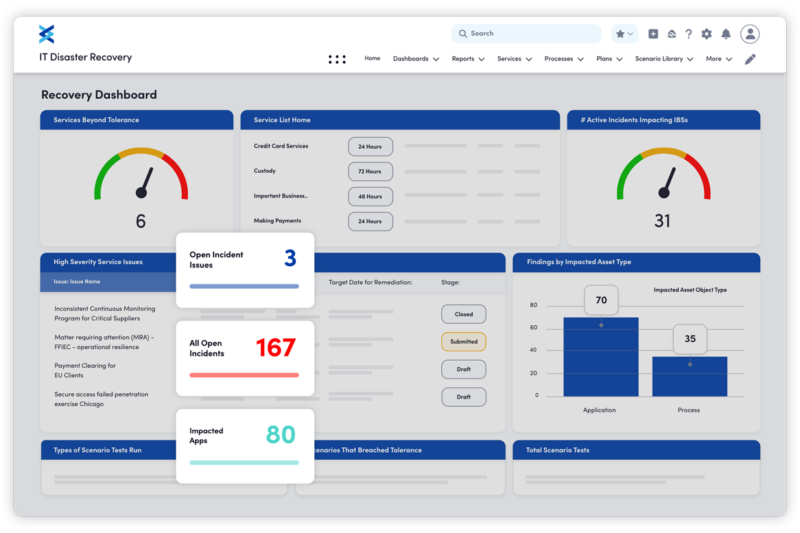
To facilitate and continuously oversee these IT DRP efforts, many companies use specialized business continuity software.
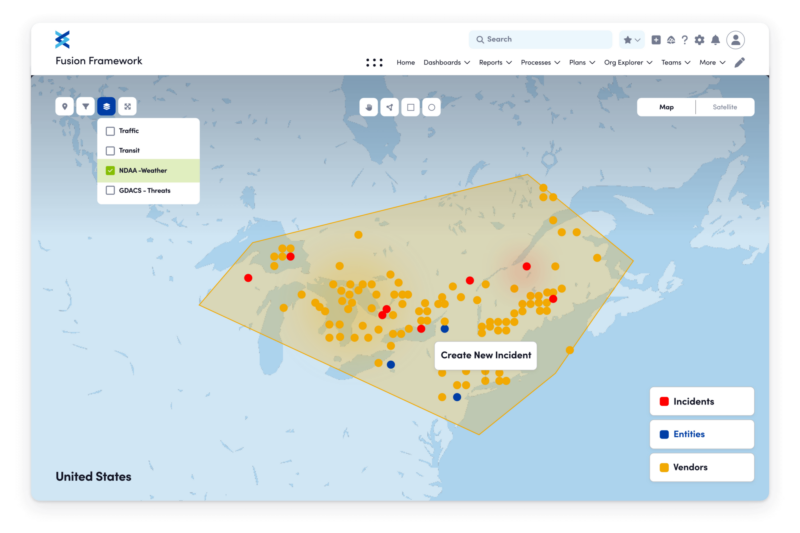
As the leading platform for business continuity and resilience, Fusion can help you to:
Fusion can also integrate with your ITSM system to give you truly cohesive oversight of your IT.
Read this whitepaper to explore how to create a business-aligned IT recovery program that reduces downtime and builds resilience.
Read More Explore how Fusion’s ITDR solutions keep your systems running smoothly, even when the unexpected happens